
How to approach AI Companion with Kids
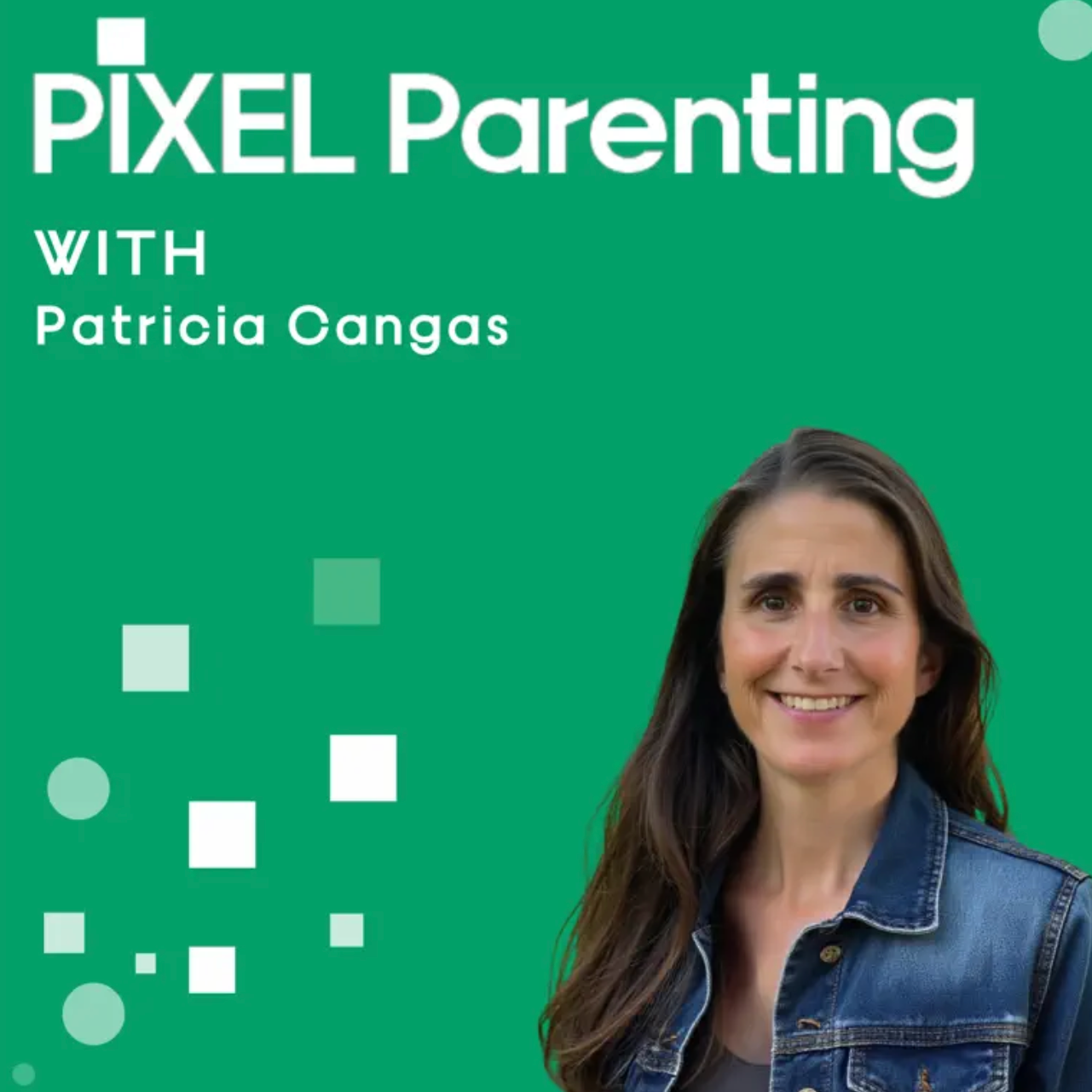
Have you ever wondered what happens when a child starts talking to an AI like it's a friend? In this episode I sit down with Patricia Cangas to unpack what AI companions actually are, what they do to a child's developing brain, and why preteens and teens are especially drawn to them.
We cover why an AI can feel so social and so sticky, why the friction of real friendship is a feature of development rather than a flaw, and how the way an AI talks can quietly reshape the relationship a child thinks they can have with it. We get practical too: the red flags and green flags to watch for, why kids often turn to an AI instead of us, and what to actually say if you discover your child has been chatting with an AI companion for months. The throughline is simple: lead with curiosity, not panic.
What you'll learn
What an "AI companion" really means, and how it differs from ChatGPT or Gemini
Why the preteen and teen brain is primed to treat anything social as rewarding
Why friction and "productive struggle" in real friendships build social skills an AI skips
The difference between an AI that supports a child and one that "sucks them in"
Red flags and green flags for AI use at home
Why kids sometimes talk to an AI instead of a parent, and the role of shame and vulnerability
A simple gut-check to teach your kid: "Am I running with AI, or is AI running for me?"
What to do in the first 24 hours if you find out your child has been using an AI companion
